

Hedgehog house by Gillian Day
How to help wildlife where you live
Simple ways to get involved with helping local wildlife
-
At home and work, there are simple ways that you can take action for wildlife. Using less fossil fuel energy means fewer CO2 emissions, contributing less to the climate change that is affecting our habitats and wildlife. Using less water means more water is available for wildlife in our rivers and streams.
-
You can help to monitor wildlife by taking part in Opal's National Citizen Science Surveys and other regular bird, bug and butterfly counts. If you have an interest in a particular species consider going out with a local monitoring group, such as a bat or reptile group. Look out for Bioblitz dates in our events calendar.
- In your neighbourhood you can volunteer with BBOWT or other local environmental groups to look after local nature reserves and green spaces. You keep an eye out for damage in the natural environment and report it.
- You can check the habitat and species data for your area and that it's up to date on Defra's Magic Map. If you collect habitat or species records, submit them to your local environmental records centre.
- You can help us raise the profile of the local issues facing the natural world by campaigning for wildlife in your area. This could involve actively participating in our campaigns and/or as part of your Neighbourhood Planning team.
- You can also help to ensure that wildlife is taken into account in planning decisions in your area by responding to planning applications and consultations.
Find more simple actions you can take at home and at work to help the wildlife where you live.
Help wildlife in the hot weather
Lend a helping hand to wildlife in hot weather. Keep your watering stations topped up with water, and let some of your garden grow wild…
Keep wildlife safe this Halloween
Halloween is often a great time for spooky family fun, but unfortunately it is often full of plastic and waste. Here are some ways to…
How to grow a wildlife- friendly vegetable garden
Learn about companion planting, friendly pest control, organic repellents and how wildlife and growing vegetables can go hand in hand.…
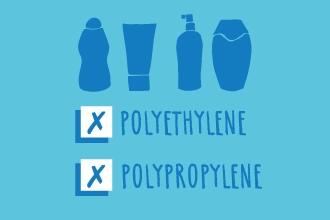
Watch what you wash away
Some cosmetics, soaps, washing-up liquids and cleaning products can be harmful to wildlife with long-lasting effects.

How to feed birds in your garden
Attract birds all year round by creating a wildlife-friendly garden

Do a litter pick or beach clean!
Be a wildlife saviour and do a litter pick or beach clean!
How to make a Christmas wreath for birds
With food, water and shelter scarce over the winter months, give your garden birds a treat with an edible Christmas wreath.

Reduce food waste
10 tips to reduce food waste today!
How to make a shrub garden for wildlife
Woody shrubs and climbers provide food for wildlife, including berries, fruits, seeds, nuts leaves and nectar-rich flowers. So why not…
How to use less plastic
Plastic waste and its damaging effect on our seas and natural world has been big news recently. Here's what you can you do about it…
How to make a log shelter
Log piles are perfect hiding places for insects, providing a convenient buffet for frog, birds, and hedgehogs too!
How to provide water for wildlife
All animals need water to survive. By providing a water source in your garden, you can invite in a whole menagerie!


Find out more about planning and wildlife in our area
- Planning policy and the planning system (https://www.bbowt.org.uk/planning-policy-and-planning-system-england-and-wales)
- Responding to planning applications and consultations (https://www.bbowt.org.uk/responding-planning-applications-and-consultations)
- Development and wildlife (https://www.bbowt.org.uk/development-and-wildlife)
- Wildlife and the law (https://www.bbowt.org.uk/wildlife-and-law)
- Useful contacts and information (https://www.bbowt.org.uk/planning-and-development-useful-information)